July is racing by. I was wondering when the brutal summer heat would finally appear and today, it settled on our doorsteps. I no longer gallivant about in it like I used to; age and health have a way of finally impressing better sense on some of us at least, so I made sure my trips outdoors today were brief. This blog post will be like those trips, brief and full of little snippets.
>>>
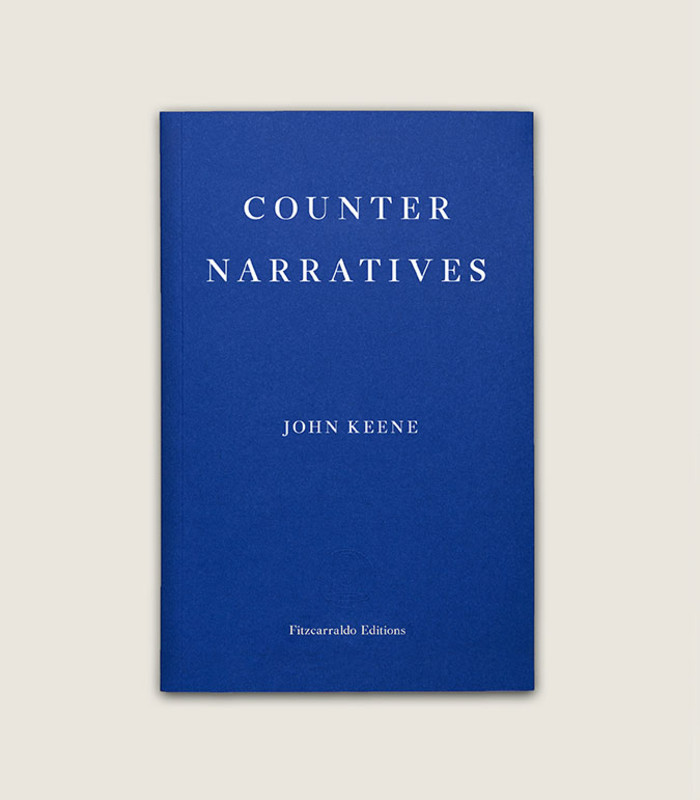
Counternarratives continues to receive reviews, and very good ones, for which I am extremely thankful. In addition to the slowly gathering ratings on Goodreads (thank you!), an excellent review recently appeared in Bookforum. Written by Max Nelson, it offered a distinctive, affirmative, nuanced critical take on the book. One thing I really appreciate about the piece was his discussion of the collection's prose. Here's the opening snippet:
<<<
As an entrant to their annual award, Larry Dark at The Story Prize invited me to contribute a short post about Counternerratives for its blog site, so I tried to think of something I had not yet discussed extensively in interviews or public conversations, but which has come up in reviews. What I thought about was the music of the prose in many of the stories, and here is the link to what I wrote, keeping under the 750-word limit: "John Keene's Hidden Soundtrack."
>>>
I had never before set up Google Alerts, but did so recently, and given my ineptitude with online technology, it has not alerted me to a single new thing that regular Googling or searching Twitter also reveals. The other day, via Google's standard search tool, I happened upon a beautiful mention of Counternarratives and Annotations (!) by the acclaimed writer Maud Casey in the Washington City Paper, in a column focusing on what local DC-area writers are reading this summer. Casey mentions that she is currently reading Maggie Nelson's highly acclaimed The Argonauts, and then says:
<<<
Some of last week's harvest from the garden. The blackberries are thriving, though smaller than in prior years. All of the other plants are also thriving. Caterpillars are eating the collard greens, so we'll have to find a non-toxic solution to get rid of them. Any suggestions are welcome.

>>>
Counternarratives continues to receive reviews, and very good ones, for which I am extremely thankful. In addition to the slowly gathering ratings on Goodreads (thank you!), an excellent review recently appeared in Bookforum. Written by Max Nelson, it offered a distinctive, affirmative, nuanced critical take on the book. One thing I really appreciate about the piece was his discussion of the collection's prose. Here's the opening snippet:
The American author John Keene writes sentences that begin in states of tight restraint, steadily loosen, unravel, sprawl or expand, and then—in their last few beats—contract suddenly into piercingly acute points. One such sentence comes two-thirds of the way into an epically named story, “Gloss on A History of Roman Catholics in the Early American Republic, 1790-1825; Or the Strange History of Our Lady of the Sorrows,” included in Keene’s remarkable new short fiction collection Counternarratives. The sentence conveys—among other things—one of the story’s grimmest plot twists. A dead, unidentified newborn has been found at a secluded convent in early-nineteenth-century Kentucky. None of the nuns or students could have been responsible, two schoolgirls decide among themselves, because “none of them could possibly have been with child.”I thank Max Nelson, and invite you to savor his critical acumen and prose, which are quite artful themselves!
<<<
As an entrant to their annual award, Larry Dark at The Story Prize invited me to contribute a short post about Counternerratives for its blog site, so I tried to think of something I had not yet discussed extensively in interviews or public conversations, but which has come up in reviews. What I thought about was the music of the prose in many of the stories, and here is the link to what I wrote, keeping under the 750-word limit: "John Keene's Hidden Soundtrack."
If you were to place any book against your ear, what would you hear? Unless it were an audiobook, very likely nothing behind the sound of paper on skin, along with background ambient sound. One aspect of my collection Counternarratives that surprises me when I reread it, however, is that each story's prose contains an internal music and rhythmicality specific to that text, and both function in complementary, productive ways in relation to the stories' narration. I find myself surprised because when I was writing the stories, I was not consciously considering this element of my prose, yet somewhere in my subconscious, I apparently was scoring and setting pitches. Additionally, among the thirteen stories in the collection, only two specifically explore the lives of musicians, and in only one of these, "Cold," which recounts the final day in the life of the minstrel composer and performer Bob Cole, was I intentionally attempting to convey what the composer's music might have sounded like.There's more, along with sharp pieces by many others at the Story Prize's blog and website.
>>>
I had never before set up Google Alerts, but did so recently, and given my ineptitude with online technology, it has not alerted me to a single new thing that regular Googling or searching Twitter also reveals. The other day, via Google's standard search tool, I happened upon a beautiful mention of Counternarratives and Annotations (!) by the acclaimed writer Maud Casey in the Washington City Paper, in a column focusing on what local DC-area writers are reading this summer. Casey mentions that she is currently reading Maggie Nelson's highly acclaimed The Argonauts, and then says:
The book I’m in the middle of is Helen MacDonald’s H is for Hawk, a raw, beautiful, elegiac love story involving a ginormous goshawk. The book I’ll be reading next is John Keene’s collection of stories and a novella, Counternarratives. His first novel, Annotations, blew me away, and Counternarratives looks to be as nimble and strange and awesome. James Baldwin wrote, “The purpose of art is to lay bare the questions hidden beneath the answers” and Keene—and Nelson and MacDonald—do that. I’m very pro-questions these days.Talk about fine company! Many thanks to Maud Casey for the shot out!
<<<
Some of last week's harvest from the garden. The blackberries are thriving, though smaller than in prior years. All of the other plants are also thriving. Caterpillars are eating the collard greens, so we'll have to find a non-toxic solution to get rid of them. Any suggestions are welcome.