Friday, June 21, 2013

"not only this but "New language beckons us'" @ NYU

AIDS art exhibit, NYU
Vernissage at Fales Library and Special Collections, NYU
For those in NYC or visiting before July 27, 2013, do check out a wonderful exhibit organized and curated by Andrew Blackley for Visual AIDS at New York University's Fales Library and Special Collections, entitled "not only this, but 'new language beckons us'." 

The exhibit features original works by artists in NYU's collections as well as new works by authors in conversation with these artists and their works, including Julie Ault, Dodie Bellamy, Gregg Bordowitz, Nancy Brooks Brody, AA Bronson, Elijah Burgher, Kathe Burkhart, Sean Carrillo, Peter Cramer, Lia Gangitano, Matthias Herrmann, Jim Hubbard, Doug Ischar, William E. Jones, Kevin Killian, Nathanaël, John Neff, Uzi Parnes, Mary Patten, Nina Sobell, Ela Troyano, Ultra-red, Jack Waters, Joe Westmoreland, Danh Vo, and yours truly.

IMG_9882
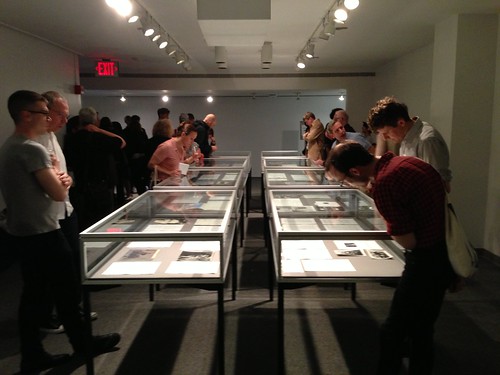
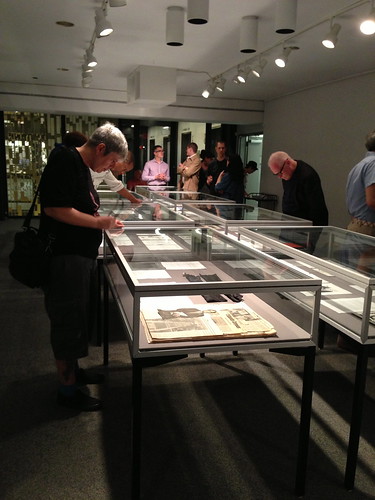
People viewing the cases
As Andrew's announcement states:

This exhibition is composed of archival objects from the Fales Library's Downtown Collection coupled with newly commissioned texts from contemporary artists and writers. Each text corresponds to a figure or object from the collection and highlights interpersonal affinities and adjacencies, influences and recollections. These couplings give voice to still-present narratives and discourses orbiting the intersection of art and HIV/AIDS—a theme that speaks to Visual AIDS' ongoing mission: to serve as an advocate for artists with AIDS and to recognize art as a tool for education and activism in the fight against AIDS.

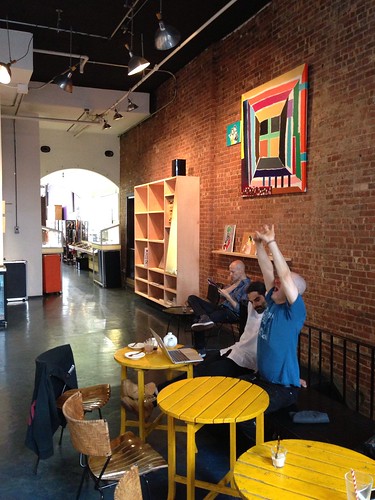
Art exhibit, Fales Library, NYU
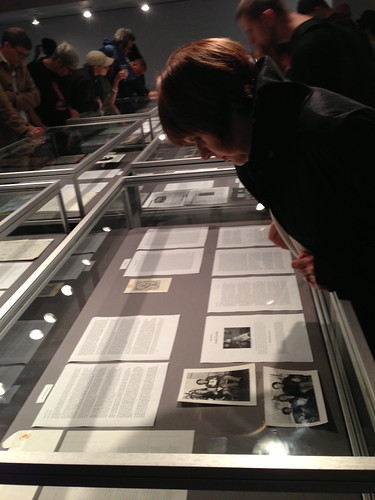
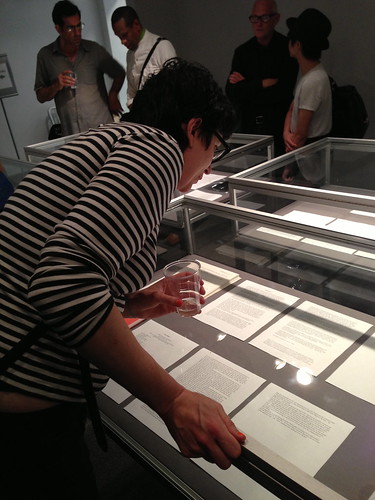
Some of the texts on display
My contribution is a prose piece riffing specifically on "Hypnos and Thanatos," as well as the drawing books and other artworks by the late painter, graffiti artist and collector, and set designer Martin Wong (1946-1999), onetime lover of the playwright and poet Miguel Piñero (1946-1988) and an important figure in the emerging 1980s Lower East Side/East Village art scene. Other pieces include essays, meditations, poems, one-line provocations, and new visual pieces, and the works from the Fales Collection range across genres, but offer glimpses of a world, or worlds, now almost completely invisible, if not gone, in hypergentrifying Manhattan and New York City. Below are some photos from the opening, which took place on May 23.

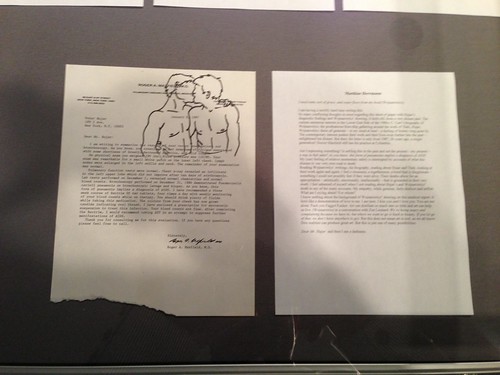
David Wojnarowicz/Peter Hujar document & responding text, Fales Library, NYU
A Peter Hujar/David Wojnarowicz piece at left,
with a corresponding response
Art & text exhibit, Fales Library NYU
The exhibit, at NYU

Wednesday, June 19, 2013

Mendi+Keith Obadike @ Studio Museum / Tisa Bryant @ Schomburg

Mendi + Keith Obadike: American Cypher (installation view)
Photo: Adam Reich
I always intend to write up arts-related events that I attend, but before I know it a certain summer languor--which during the school year transforms into teaching and grading responsibilities--overwhelms me, and before I know it, not just days, but weeks have passed. Here retrospectively then are some paragraphs, brief, and photographs from two recent events.

Two Sundays ago I dropped by the Studio Museum in Harlem to catch intermedia artists Mendi + Keith Obadike conversing with Abbe Schriber about their current exhibit there, American Cypher, which is up until June 30, 2013 (next week if you're in town), as well as about their collaborative projects and practice, and a host of other topics related to both. I arrived not long after the event began, so I missed the pop quiz they distributed, but I did get to hear curatorial assistant Schriber, the show's organizer, pose a number of questions about their fascinating exhibit, which explores DNA coding, race, digital aesthetics, and the complexities surrounding our popular understandings of genetics and history. 

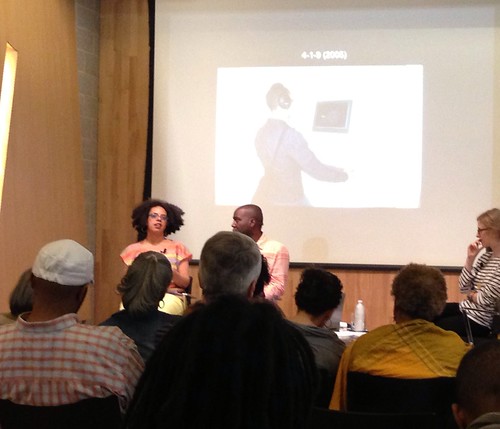
Mendi   Keith Obadike, at the Studio Museum in Harlem
Mendi + Keith in conversation with Abbe Schriber
The duo walked the audience through American Cypher's structure and format, which respond to American stories about race, history, DNA, and the law, and comprises a eight-channel sound installation with video, a series of prints, and a book, and which is one version of a multiformat suite of works that include scores produced at the invitation of Rhizome, prints, a letterpress book, and a public sound art installation at Bucknell UniversityThe Griot Institute for Africana Studies and  Bucknell's Samek Art Gallery originally commissioned the works, in which Mendi + Keith explore five stories about Black Americans (or, in the case of one person, a racist self-identified "White" person with African ancestry) that, as their Vimeo writeup says, "hinges on deciphering the genetic code."

The five stories include explorations of the genetic codes of James Watson, the Nobel Laureate (and racist) noted above; US President Barack Obama; Oprah Winfrey, whose "dream ancestry" of being a Zulu DNA evidence undermined (she has West African "Mende" origins, I believe); two men caught in the net of the US penal system; and at the center of the project Sally Hemings, the enslaved young woman who bore several children by US President Thomas Jefferson, a well-known story that DNA evidence in 1998 helped to verify (tying Hemings's descendants to the Jefferson family).

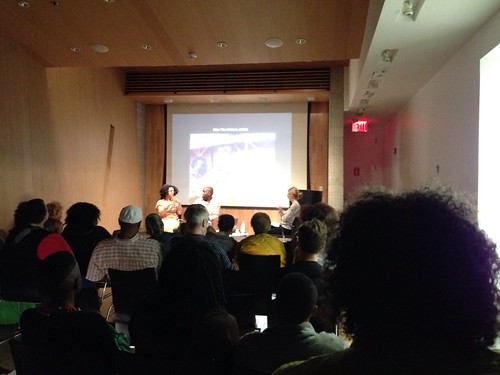
Mendi   Keith Obadike, at the Studio Museum in Harlem
Mendi + Keith in conversation with Abbe Schriber
Mendi + Keith made original recordings of Hemings' last surviving possession, a small bell, on display at Monticello, Jefferson's historic estate in Charlottesville, that Martha Jefferson, Thomas Jefferson's late wife and Hemings's half-sister) gave to her. A clip of Keith handling the bell and the recording it played during the conversation, and they later digitally altered the tracks, while also using the genetic code of the Hemings and Jefferson family lines to create the soundscape playing at the Studio Museum. They, like the exhibit, are highly informative and entertaining, wearing their brilliance quite lightly, but the profound implications of their work in this and other projects, and of the ideas they're exploring, are serious and continue to play in my mind.


Mendi + Keith Obadike : American Cypher at The Studio Museum in Harlem from Keith Obadike on Vimeo.

***

Last week, I headed back up to Harlem to see my dear friend (and sister!) Tisa Bryant give a presentation, which included a conversation with archivist, publisher and author Steven Fullwood, to the Ordinary People Book Series on her first book, Unexplained Presence, a highly innovative and thought-changing collection of essays and imaginative texts that attempt to understand and think through the unexplained presence of various Black figures in works of European literature and film. Whether exploring the severed black head in Virginia Woolf's Orlando (1928) or the frequently undiscussed irruptions of colonial critique in Michelangelo Antonioni's L'eclisse (1962) or the uncredited but absolutely central and vital performance of Zakes Mokae in John Schlesinger's Darling (1965), Tisa provides a way of seeing what is right before our eyes but nevertheless, under the perspective of one set of gazes, passed over often in silence.

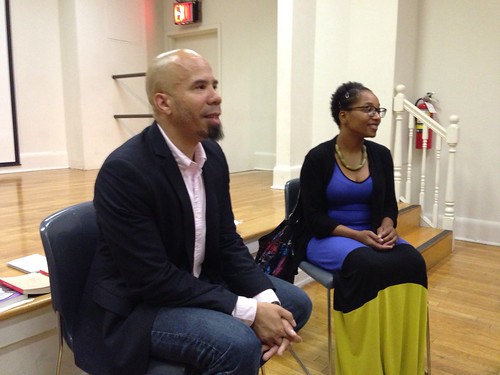
Steven and Tisa, before her presentation
Steven and Tisa
Although I have read and discussed this book many times, including with students, I never fully knew the process by which Tisa drafted it, so the conversation illuminated this and a number of other points, such as what happened to the novel that this project had originally been. (She is, she mentioned, still thinking about and working on it, among her other projects.) I also had never seen Tisa talk about the book in conjunction with film clips, which she did to great effect, showing clips of Darling and François Ozon's Eight Women (2002), which is both an homage to George Cukor's iconic 1939 film The Women, but also a strange and enthralling cinematic experience in itself. Tisa walked the audience through the film's disturbing but utterly important treatment, from the film's opening frames, of the black maid, Madame Chanel, played by Firmine Richard, who is literally pushed to the floor by one of the film's villains, her now no-longer secret lover, played by Fanny Ardant. I won't give away the film or Tisa's essay, but I will say that Tisa's discussion enriched my understanding both of her project and the film.

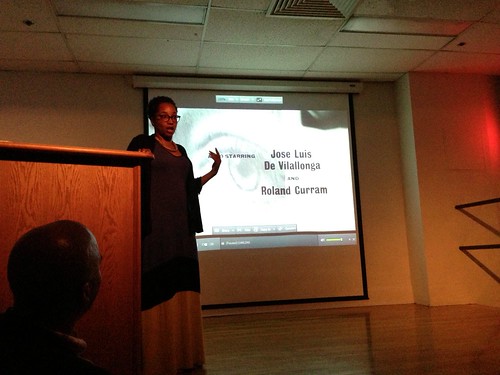
Tisa, talking about the film *Darling*
Tisa discussing Darling
I'll conclude by noting how enjoyable the event was, particularly in its informality, and in Steven's questions and his encouragement of the audience to ask questions. A number of writers and filmmakers were in the audience, so they came informed, and Tisa handled the queries with aplomb. If you haven't read the book, do order a copy and check out what she's up to.
Donald Agarrat, the great photographer & person, @ Schomburg Ctr.
Photographer Donald Agarrat, who
took photos during the event
Shelagh, Erica, Tisa
Shelagh Patterson, Erica Doyle, and Tisa

Monday, June 17, 2013

Poem: Roberto Bolaño

Recently I was reading the New York Review of Books' online blog and saw that they had posted the following poem, lineated prose really, by Roberto Bolaño (1953-2003). It will appear in The Unknown University, a volume of his complete poetry--which he wrote before he turned to the prose on which his reputation rests--translated by Laura Healy, who also translated his other two collections, The Romantic Dogs (2000, published in English in 2008) and Tres (2000, published in English in 2011) to be published in a few weeks by New Directions.

As unlyrical as the following poem is, the gravity of its content does merit note; in the last decade of his life Bolaño managed to write a dozen books, some of which, including his masterpieces The Savage Detectives (1998, published in English translation in 2007), By Night in Chile (2000, published in English translation in 2003), and 2666 (2004, published in English translation in 2008), one of the greatest and most original novels in Spanish or any other language. In the poem below, he prefigures the decade to come: serious illness, unearthly fortitude, furious composition. Among the works he produced to the very end were poems, despite his fame as a fiction writer, as he never stopped seeing himself as a poet.

Toward the end of 1992 he was very sick
and had separated from his wife.
That was the goddamn truth:
he was alone and fucked
and he tended to think there was little time left.
But dreams, oblivious to sickness,
showed up every night
with a loyalty that came to surprise him.
Dreams took him to that magical country
he and no one else called Mexico City
and Lisa and the voice of Mario Santiago
reading a poem
and so many other good things worthy
of the most ardent praise.
Sick and alone, he would dream
and confront the days that passed inexorably
toward the end of another year.
And from it he gathered a bit of strength and courage.
Mexico, the phosphorescent steps in the night,
the music playing on corners
where in the past whores would freeze
(in the icy heart of Colonia Guerrero)
and would dole him out the sustenance needed
to clench his teeth
and not cry in fear.

This poem is drawn from The Unknown University, an edition of Roberto Bolaño’s complete poetry, translated by Laura Healy, to be published on July 11 by New Directions.

Sunday, June 16, 2013

Bloomsday: Ulysses in 3 Minutes

Today is Bloomsday, the day that Leopold Bloom (I almost typed Harold--!) wandered around Dublin, thus providing the plot, slender though it was and is, of James Joyce's and Irish, English-language and world literature's greatest novels, Ulysses. Most people probably don't get much further than "Stately plump Buck Mulligan..." the phrase that opens the novel, and it is quite a slog at points, though thrilling at others--it ends with Mollie Bloom's multipage orgasm--with enough colorful characters, obscure words, rhetorical play, recondite references, thematic shifts, and more, to keep the professors at work for years, which is not exactly how Joyce put it but close enough.

For those who want a bit of Joyce's Ulysses but  can't find the time just yet, here, from the Irish Times, are the Temple Bar Company's Anne Tyrrell, Paul Kennedy and Robert Gogan performing a three-minute version of Ulysses.

Here's a screenshot:


And though I can't get the video to play on Firefox, it does play fine on Safari and Chrome.


And here is a map of the various Ulysses sites in and around Dublin (with legend), should you happen to find yourself there today or anytime:

Thursday, June 13, 2013

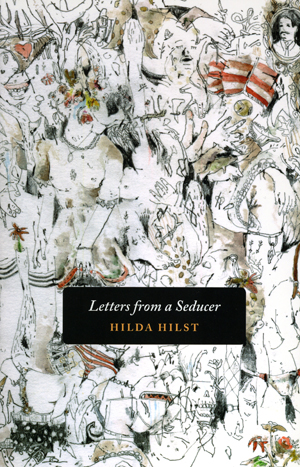
Today: Brazil's Marquise de Sade: On Translating Hilda Hilst's "Cartas de um Sedutor"

Today, at 1:15 pm, free, quite informal, and at the New York Public Library's Research Branch at 42nd St. and Bryant Park, in the South Court Auditorium, downstairs!


Saturday, June 08, 2013

Random Photos

Much writing of late, though unfortunately little here. More soon. In lieu of, photos.

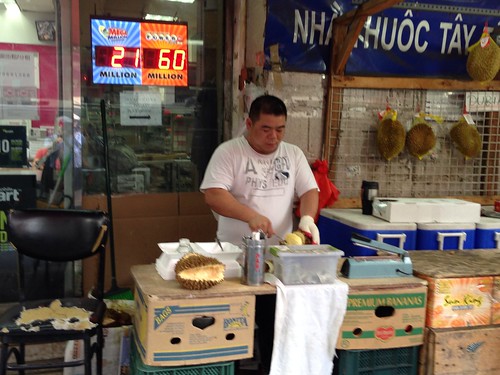
Preparing durian (fruit), LES/Chinatown
Man cutting durian fruit for sale on the street, Lower East Side/Chinatown
Lafayette Street
Lafayette Street, NoLita
In Little Italy
Little Italy
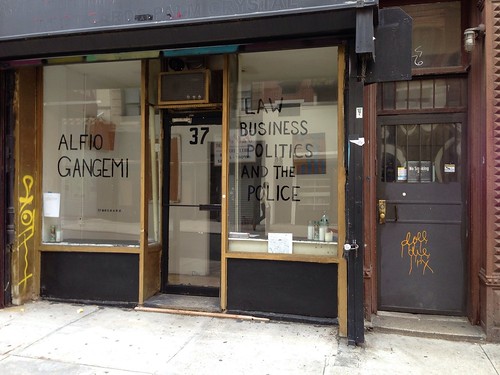
Empty Gallery, Lower East Side
Art gallery, Lower East Side
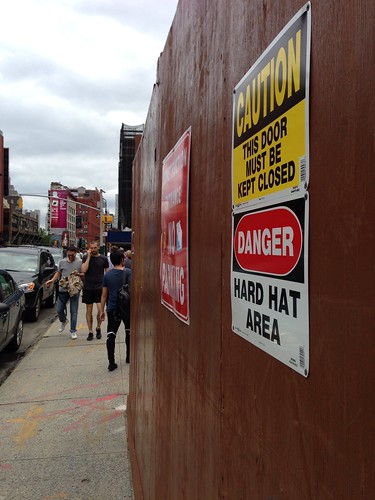
The ubiquitous building sites
The ubiquitous building sites, lower Manhattan
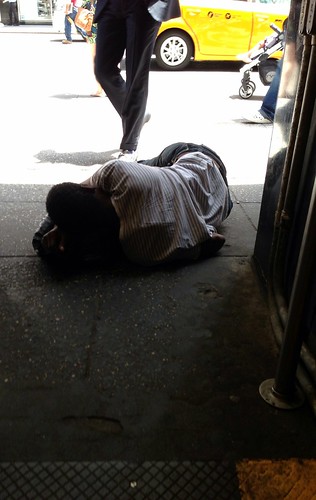
Asleep in the subway entrance, Midtown
Man asleep in subway entrance, Midtown
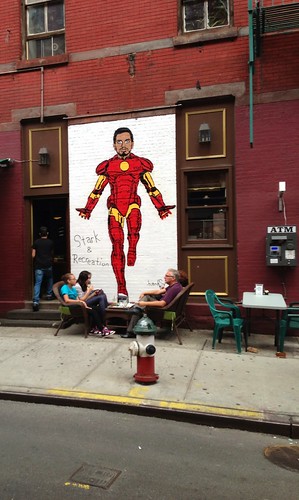
On the Lower East Side
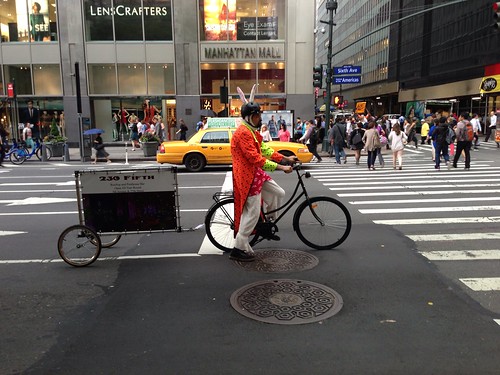
Bunny cyclist
Bunny cyclist, Midtown
In NoLita
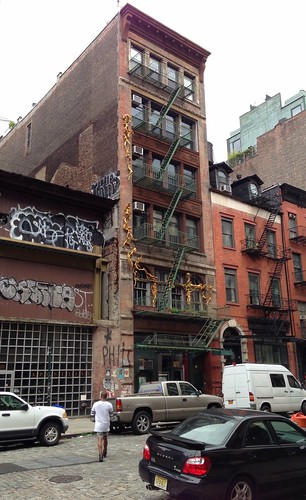
Building with elaborate external
sculpture, NoLita
At a cafe, NoLita
Cafe in the rear of a clothing store, NoLita
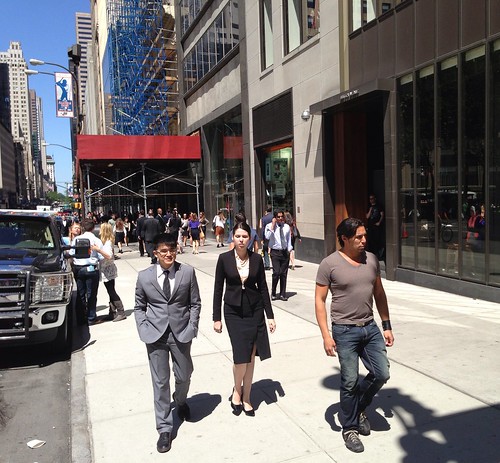
Filming a scene, 5th Avenue
Actors filming a scene, Fifth Avenue
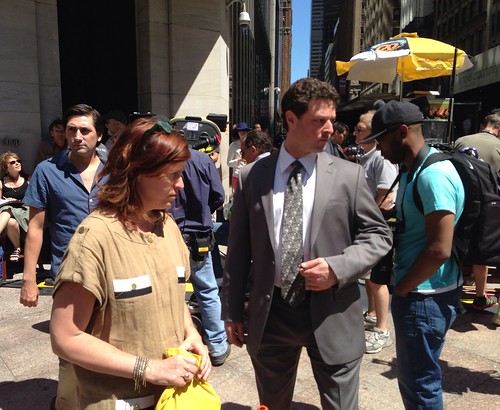
Actors preparing for a scene, 5th Avenue
Actors preparing for a scene, Fifth Avenue
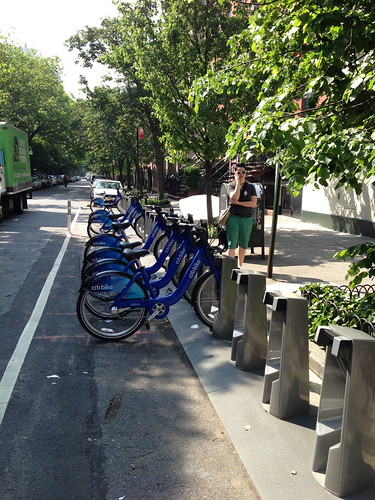
New Citibikes, Chelsea
The Citibike racks, proliferating
like kudzu (this one in Chelsea)
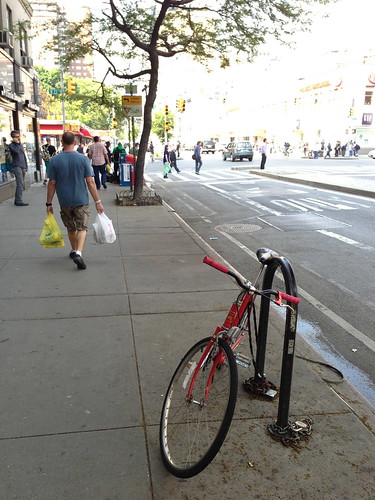
Old style bike rack, NYC
Old style bike rack, Chelsea
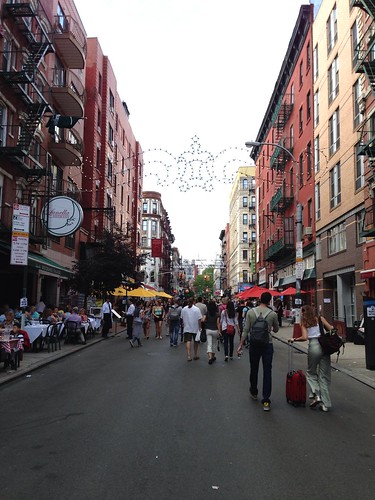
Street Festival, Little Italy
Street fair, Little Italy
(not the San Gennaro, though)
The one and only Michael Musto
The one and only Mike Musto
IMG_9935
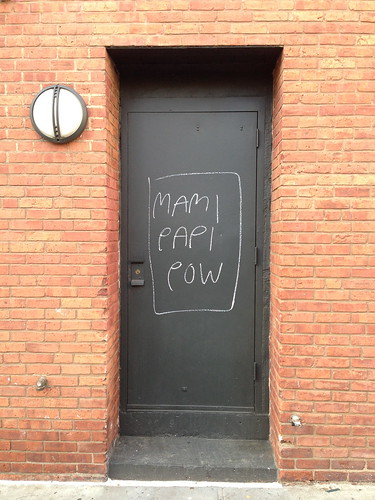
Adorned door, near the
Meatpacking District

Friday, May 31, 2013

BookExpo America 2013

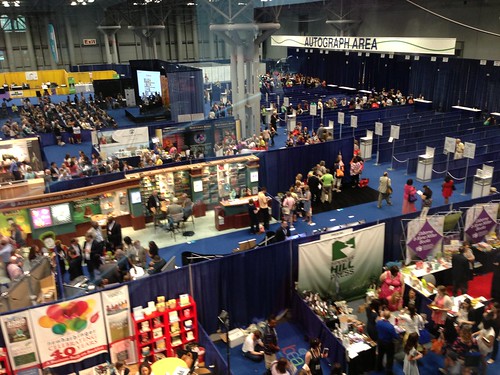
Looking down at the main exhibition floor, BEA 2013
Looking at the main floor of the BEA
Every year, around this time, I have heard tales told of Book Expo America (BEA) the giant annual book trade fair held at the Jacob Javits Center, on the far edge of Midtown Manhattan, but I until this year I had never been able to attend. A four-day and costly event, the fair convenes most of the major and numerous mid-sized and small US publishers, many from overseas, agents, distributors, authors, artists, librarians, and book lovers, who were present in droves despite the mid-summer temperatures that turned the sidewalks into a griddle and the glass walls of the air-conditioned Javits Center into magnifying glasses. I believe there were academics present too, though far fewer operating solely in that role than you might find at the Associated Writing Programs or Modern Language Association conferences, neither of which has the commercial or global feel of BEA.
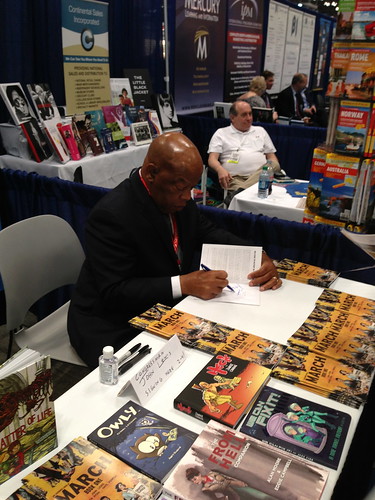
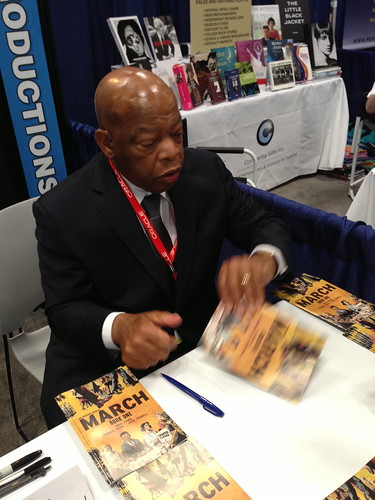
Congressman John Lewis signing a comic book, BEA 2013
Congressman John Lewis (D-GA) signing his comic book
Hero Congressman John Lewis handing a signed book to a fan, BEA 2013
Congressman Lewis
In fact, the BEA thrums with the sensation of real-world, real-time significance; the numbers of people huddled at tables hashing out whatever they're hashing out, the sizable section of digital and electronic consulting companies seeking to bring the trade into the 21st century, the half-closed publishing house curtains where big deals and planning were taking place, the numerous people pumping up potential books to the houses ("I'm sorry," one young woman at Taschen told another, "but we don't commonly give out editors' email addresses," in response to a query about a book idea she had), and so forth, made the sometimes grueling, often joyful experience of writing--dreaming, planning, writing, revising, revising again, revising again, etc.--feel both infinitesimally small and indescribably important. To put it another way, writers could, in the scheme of this hurdy-gurdy of excitement and high stakes almost appear forgotten, and yet also, without authors, would any of this be possible? (Of course there are some who might answer yes, but....) Moreover, all authors, of all types, were present here. Some who'd never been seen anywhere near academe, as well as others who are paragons of literature and creative writing classes, were present. There were many long lines for authors I'd never heard of, which means I need to get out and read more widely, but there also were on display books by authors I deeply admire who probably don't get read as much as they ought to. But someone is publishing, and someone is reading their work.
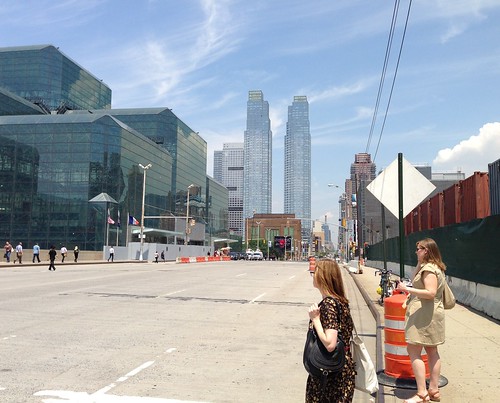
11th Ave. & Jacob Javits Ctr, NYC
The Javits Center, at left (Columbus Circle in the distance)
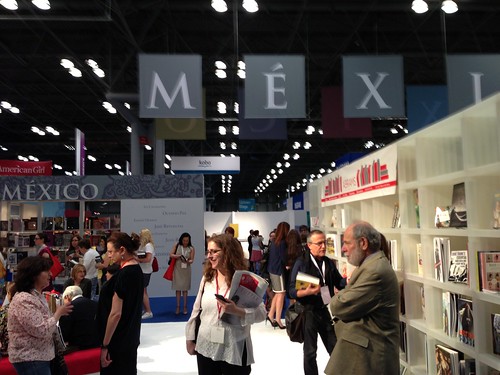
Mexico book area, BEA 2013
Mexican publishing and book section
No surprise in the numerous hierarchies on display, most visibly the size and elaborateness of booths and sections based on the size and financial might of the publishers, and the prioritization of commercial and genre fiction and nonfiction over literary fiction, poetry, drama and other literary forms (which was quite rare in some precincts), nor was the frostiness of some of the publishing types a surprise either. (Others, however, were quite pleasant, and the micro-climates of attitude meant that I could pass from spaces where publishing staff did not even look in my direction to lively conversations with editors and reps from presses like Duke or Yale or Biblioasis or New York Review.) And it additionally was not a surprise, though a bit disappointing, that nearly all the publishing representatives, like the authors whose booksignings I noted, except for a very few cases (one of which I'll mention below), were by white, at a time when the country is growing ever more diverse. But there were glimmers, and I must note that, perhaps heartening to VIDA, the organization that champions women writers and equality in the literary world, the majority of authors I saw greeting customers and signing books were women. (The actual numbers, however, may be different, but I am going off my rough count.) I had heard that people brought suitcases to cart off the free books and swag (bookbags, blow-up toys, maps, pens, corporate-branded bric-a-brac of all kinds, beer, etc.), yet I didn't believe it, then I saw person after person not only lugging around book-heavy bags and backpacks, but yes, wheeled suitcases, and I realized, that was certainly foresight (or learned experience at a prior BEA). I didn't need a suitcase, but I did bring back two full bookbags full of books, some of them so interesting I started paging through them on the subway and PATH, and a number of which I selected in part because I very well may be able to incorporate them in future classes.
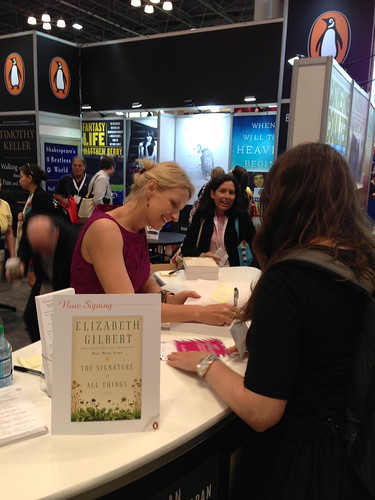
Elizabeth Gilbert signing her book, BEA 2013
Elizabeth Gilbert, signing her new book
IMG_0007
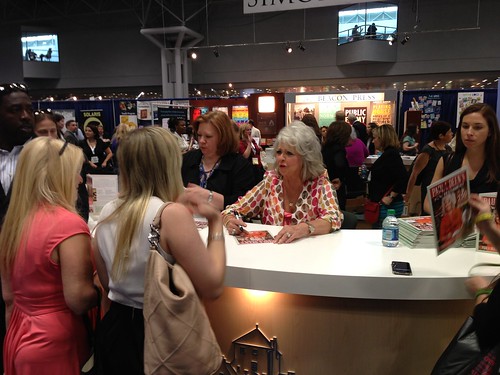
Paula Deen, signing an ad for her next book
There were a few star types there (Tony Kushner, actor Jim Carrey, etc.), but the highlight for me was meeting and chatting a little with Congressman John Lewis (D-GA), one of America's true heroes, and a signal figure in the US Civil Rights movement of the 1950s and 1960s. He is the sort of person I always imagine will be so heavily thronged it would be impossible to get near him, but there was a small line and I was able to ask him to sign a comic book he had co-authored and then talk with him, letting him know not only that his name had come up in my recent class, but how much an inspiration he and his generation are for my students and me. I also thanked him for his bravery, courage and vision, in essence thanking his generation and those before him who had blazed the paths I and so many can walk down today, and together we noted that the 50th anniversary of the March on Washington was approaching, and that the 150th anniversary of the Emancipation Proclamation was only a few months before, an amazing confluence that also pointed toward future goals and gains. I probably could have left after meeting him, but I instead did walk the entire main hall, collect books, take a sip of champagne (it was free), and admit to myself that being in an environment filled with free books and readers was a pretty enjoyable place to be.
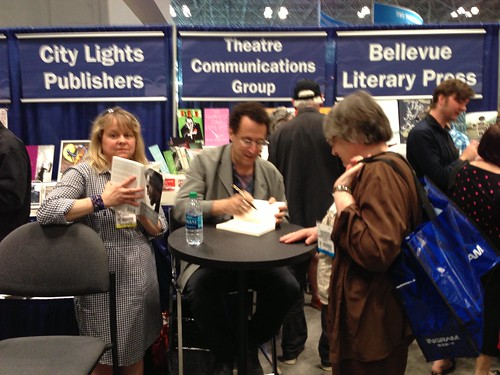
Tony Kushner signing books, BEA 2013
The amazing Tony Kushner, signing books
IMG_9982
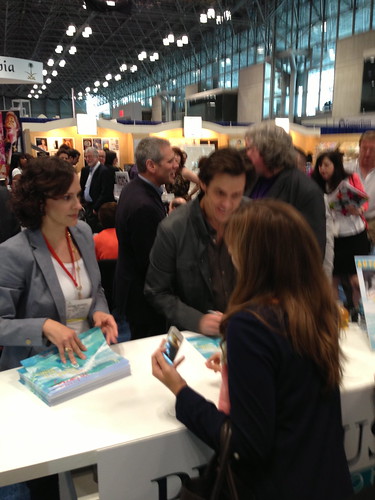
Jim Carrey, signing a flyer (?)
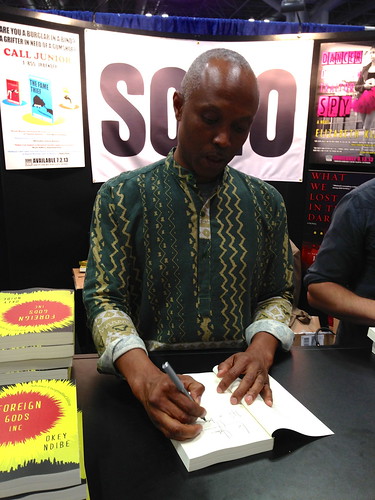
Okey Ndibe signing his book at BEA 2013
Brown Univ. prof. Okey Ndibe, signing his book
George C. Fraser, BEA 2013
Author and success champion, George C. Frasier
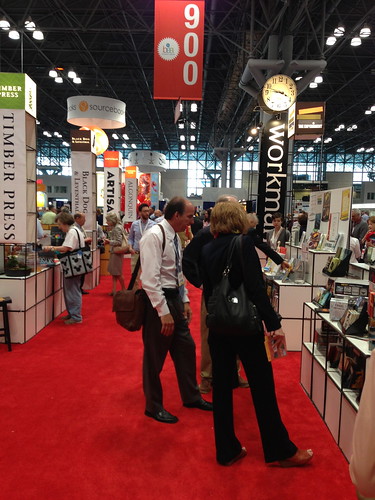
Aisle 1900, BEA 2013
Aisle 1900, with presses on either side
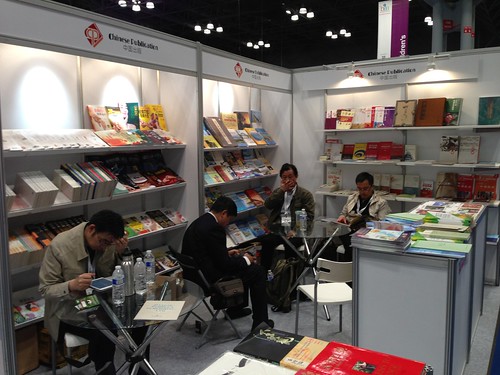
Chinese Publications booth, BEA 2013
Chinese publishing booth
Kobo eReader booth, BEA 2013
Kobo eReader booth
Spain book section, BEA 2013
Spain's publishing area
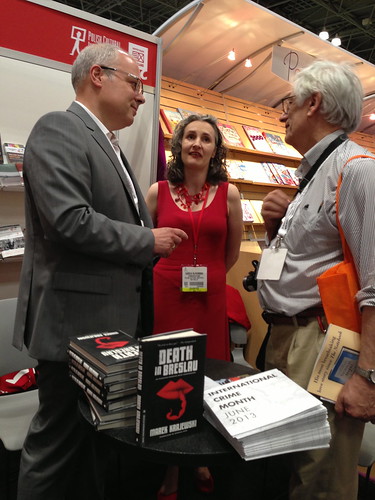
Author Marek Krajewski at BEA 2013
Polish author Marek Krajewski, with
translator (in red) and fan
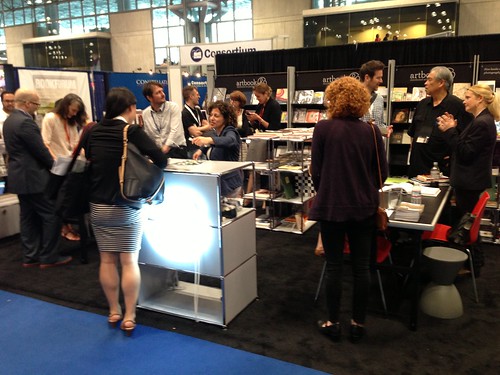
Artbooks area, BEA 2013
The art books section (one of several)
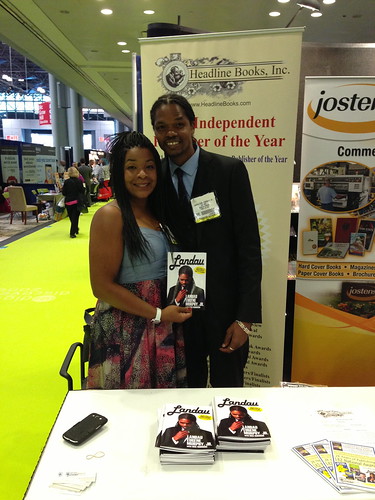
Author Landau and his lovely wife
Author Landau, and his lovely wife
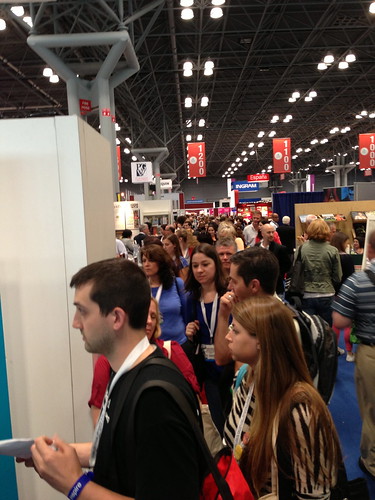
IMG_9981
One of many long lines for a book signing
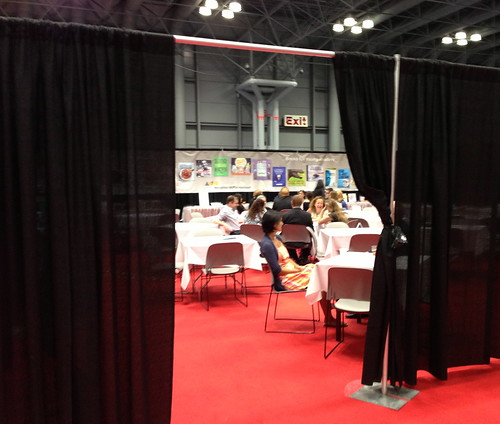
One of the reserved areas, BEA
Publishers' curtained off private areas
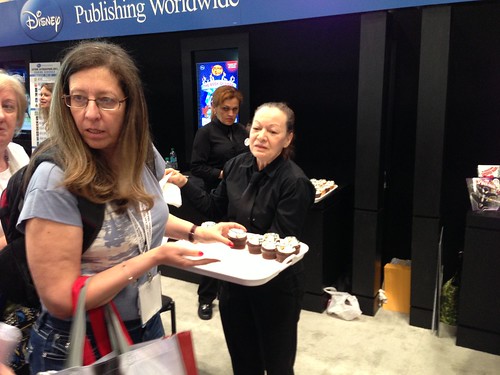
Free cupcakes from Disney, BEA
Free cupcakes, from Disney
Boxes of books waiting to be shipped, BEA 2013
Books and other items, waiting to be shipped home