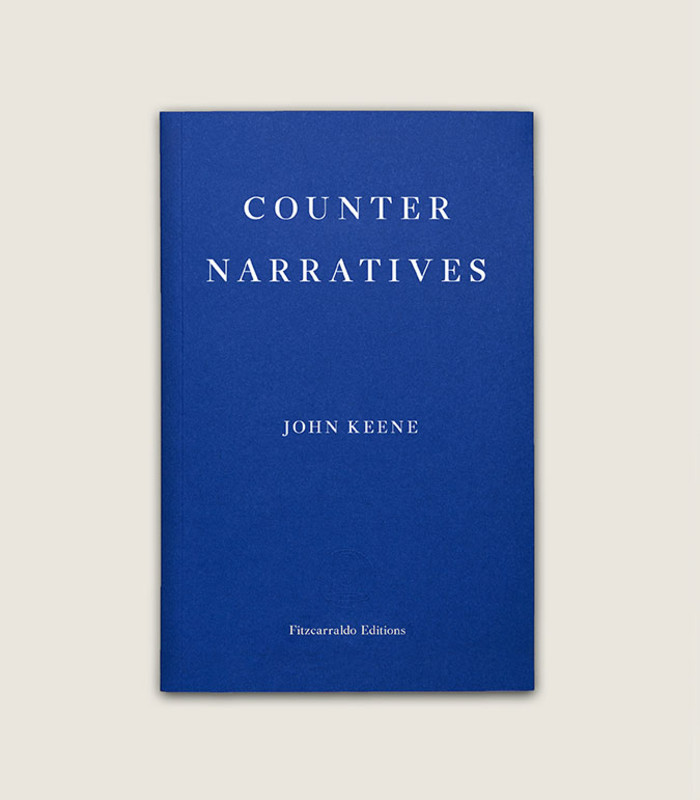
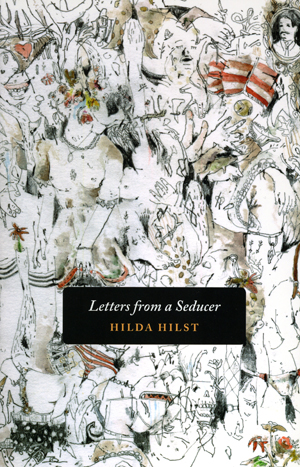
Not much blogging thus far this month; I am mainly trying to keep my head above water amidst the onrushing rapids of winter quarter teaching, mentoring, advising and committee work. In a few days, as per schedule, I will be handing off one of my three courses, the semester-long (it cuts across the quarter system, and a similar course exists in poetry and creative nonfiction) fiction sequence for the undergraduate creative writing majors and minors, to my dear colleague, who, as I have done in the past, will guide them through the labyrinth of novella-reading and writing. I'll say more about this in a few days, but suffice it to say that if I had little time for blogging before, it's been minimal of late.
I did not want to let go unmentioned the passing, yesterday, of one of the major poets of the 20th century, the ever-modest, ever-incandescent Wislawa Szymborska (1923-2012), two of whose poems I blogged earlier this year, and whom I've mentioned many times on this site. I won't restate what I said before except to note that you could do yourself a favor if, in the absence of something to read and seeking a book to provoke you to think and feel, you purchased or checked out of the library a translated volume of her poems. Szymborska had the gift of writing poetry that often appears utterly simple or narrowly focused, yet it frequently opens up into some of the central questions of life and its resonances are often profound. This derives from her constant investigation of experience itself, of language, of our human negotiation of and between the two. My colleague Clare Cavanaugh has, with Stanislaw Baranczak, translated a large number of her poems. You can find some of them here.
Here is one of her poems, "Some Like Poetry," in two translations, the first by Regina Grol, the second by Joanna Maria Trzeciak. It's a poem about poetry, and thus about its value to Szymborska and about her own art and practice. Her final, ironic verdict, while it won't satisfy some (professors, critics or poets), is as honest an answer as I can think of: "But I don't know and I don't know and clutch on to it/as to a saving bannister."
(UPDATE: You can listen to a discussion of Szymborska, and archival recordings of her reading, at News from Poland's site.)
SOME LIKE POETRY
Some -
thus not all. Not even the majority of all but the minority.
Not counting schools, where one has to,
and the poets themselves,
there might be two people per thousand.
Like -
but one also likes chicken soup with noodles,
one likes compliments and the color blue,
one likes an old scarf,
one likes having the upper hand,
one likes stroking a dog.
Poetry -
but what is poetry.
Many shaky answers
have been given to this question.
But I don't know and don't know and hold on to it
like to a sustaining railing.
Wislawa Szymborska © 2012, translated by Regina Grol, all rights reserved.
SOME LIKE POETRY
Some--
that means not all.
Not even the majority of all but the minority.
Not counting the schools, where one must,
and the poets themselves, there will be perhaps two in a thousand.
Like--
but one also likes chicken noodle soup,
one likes compliments and the color blue, one likes an old scarf,
one likes to prove one's point,
one likes to pet a dog.
Poetry--
but what sort of thing is poetry?
More than one shaky answer
has been given to this question.
But I do not know and do not know and clutch on to it,
as to a saving bannister.
Wislawa Szymborska © 2012, translated by Joanna Maria Trzeciak, all rights reserved.
 |
| Wislawa Szymborska (PAP/Jacek Bednarczyk) |
Here is one of her poems, "Some Like Poetry," in two translations, the first by Regina Grol, the second by Joanna Maria Trzeciak. It's a poem about poetry, and thus about its value to Szymborska and about her own art and practice. Her final, ironic verdict, while it won't satisfy some (professors, critics or poets), is as honest an answer as I can think of: "But I don't know and I don't know and clutch on to it/as to a saving bannister."
(UPDATE: You can listen to a discussion of Szymborska, and archival recordings of her reading, at News from Poland's site.)
SOME LIKE POETRY
Some -
thus not all. Not even the majority of all but the minority.
Not counting schools, where one has to,
and the poets themselves,
there might be two people per thousand.
Like -
but one also likes chicken soup with noodles,
one likes compliments and the color blue,
one likes an old scarf,
one likes having the upper hand,
one likes stroking a dog.
Poetry -
but what is poetry.
Many shaky answers
have been given to this question.
But I don't know and don't know and hold on to it
like to a sustaining railing.
Wislawa Szymborska © 2012, translated by Regina Grol, all rights reserved.
SOME LIKE POETRY
Some--
that means not all.
Not even the majority of all but the minority.
Not counting the schools, where one must,
and the poets themselves, there will be perhaps two in a thousand.
Like--
but one also likes chicken noodle soup,
one likes compliments and the color blue, one likes an old scarf,
one likes to prove one's point,
one likes to pet a dog.
Poetry--
but what sort of thing is poetry?
More than one shaky answer
has been given to this question.
But I do not know and do not know and clutch on to it,
as to a saving bannister.
Wislawa Szymborska © 2012, translated by Joanna Maria Trzeciak, all rights reserved.